


Travel insights - Japan/Nihon/Nippon

Updated: May 18
In the middle of July 2024, we thought about traveling to a new, unknown destination. Turkey was on our minds, but given the tricky situation in the Arab world with ongoing conflicts, we decided to head east instead. That’s when we chose Japan.
We had always wanted to visit this island nation. From a young age, Indians have built a strong trust in Japanese products like Sony, Toyota, Mitsubishi, Nissan, Yamaha, origami, and many others. Now, it was our time to explore and experience it all firsthand.
We applied for our visa using the "Atlys" app, which required us to submit salary slips, business GST documents, income tax returns, student certificate for my son, among other things. Our passports were picked up from home within a couple of days, making the documentation process hassle-free. We then waited for the visa approval.
Meanwhile, we began researching Japan: its people, culture, language, heritage, places to visit, the best times to go, rules, timelines, food, and the logistics of applying for leave. There’s so much to consider when planning a trip, but it’s always a good and important exercise to learn new things.
We subscribed to the "Duolingo" app and started learning Japanese. Every day, we dedicated a few minutes to picking up new words, sentences, and basic etiquette. By August 10th, we received our passports with a three-month single-entry visa stamped inside. At this point, we were ready with our travel dates and had saved the flight details for booking.
The first thing we did was block our travel dates and book the flights, setting the stage for everything else to unfold as we continued our planning. We planned our trip from October 6th to October 22nd. Fortunately, we secured direct flights with Japan Airlines, which significantly reduced our travel time and transit headaches. The cost for a return ticket from Bengaluru to Tokyo was around ₹54,000 per person.
After further research—reading multiple blogs, watching YouTube videos, and scrolling through Instagram—we noticed that very few Indian travelers had shared detailed accounts of their experiences in Japan. Coincidentally, a currency crash had made the Japanese yen much cheaper for us. We were able to get ¥120,000 for about ₹80,000, conveniently home-delivered using the "BookMyForex" app.
Our itinerary began to take shape, featuring Tokyo, Nikko, Mt. Fuji, Nagoya, Kyoto, Nara, and Osaka. We did some shopping for essentials, and by October 3rd, we started packing our backpacks, filled with excitement for the upcoming adventure.
Our flight to Tokyo was scheduled for around 2:30 AM on October 6th, so on the evening of October 5th, Saturday, we headed to the BIA Terminal 2 around 9:30 PM. We had heard a lot about the amazing architecture of the newly built terminal and were excited to see it for ourselves.
After checking in our luggage, we took some time to explore the beautiful BIA T2 before boarding the flight on time.
Day 1:
We landed at Tokyo Narita Airport in late evening, and the first thing on our bucket list was experiencing the Japanese Metro. Straight from the airport to the city, we traveled through beautiful green farmlands along with kilometers of solar panels spread across the landscape.
We had booked an Airbnb for three nights in a suburb called Hatagaya, Shibuya. The place came with detailed self check-in instructions. It was a cozy little apartment with a small bedroom and an extra bunk bed for my son — honestly, that was all we needed.
After unpacking a bit, we headed out for a walk through the calm suburban streets of Hatagaya. We explored a few restaurants and enjoyed traditional Japanese rice with curry and some fried chicken.
One thing that is impossible to miss in Japan from the moment you land is the vending machines — hot coffee, cold drinks, flowers, toys… you name it, Japan has it.
We did some shopping for the next day and then called it a night.
Day 2:
The next morning, we started early and took the metro to visit Hie Shrine (Hie-Jinja Shrine).
After spending some peaceful time there, we headed toward Akasaka-Mitsuke by metro. It was amazing to see the art and uniqueness of each metro station. Akasaka Station itself felt like a little museum, surrounded by Harry Potter-themed concepts and designs, including the station exits and nearby buildings.

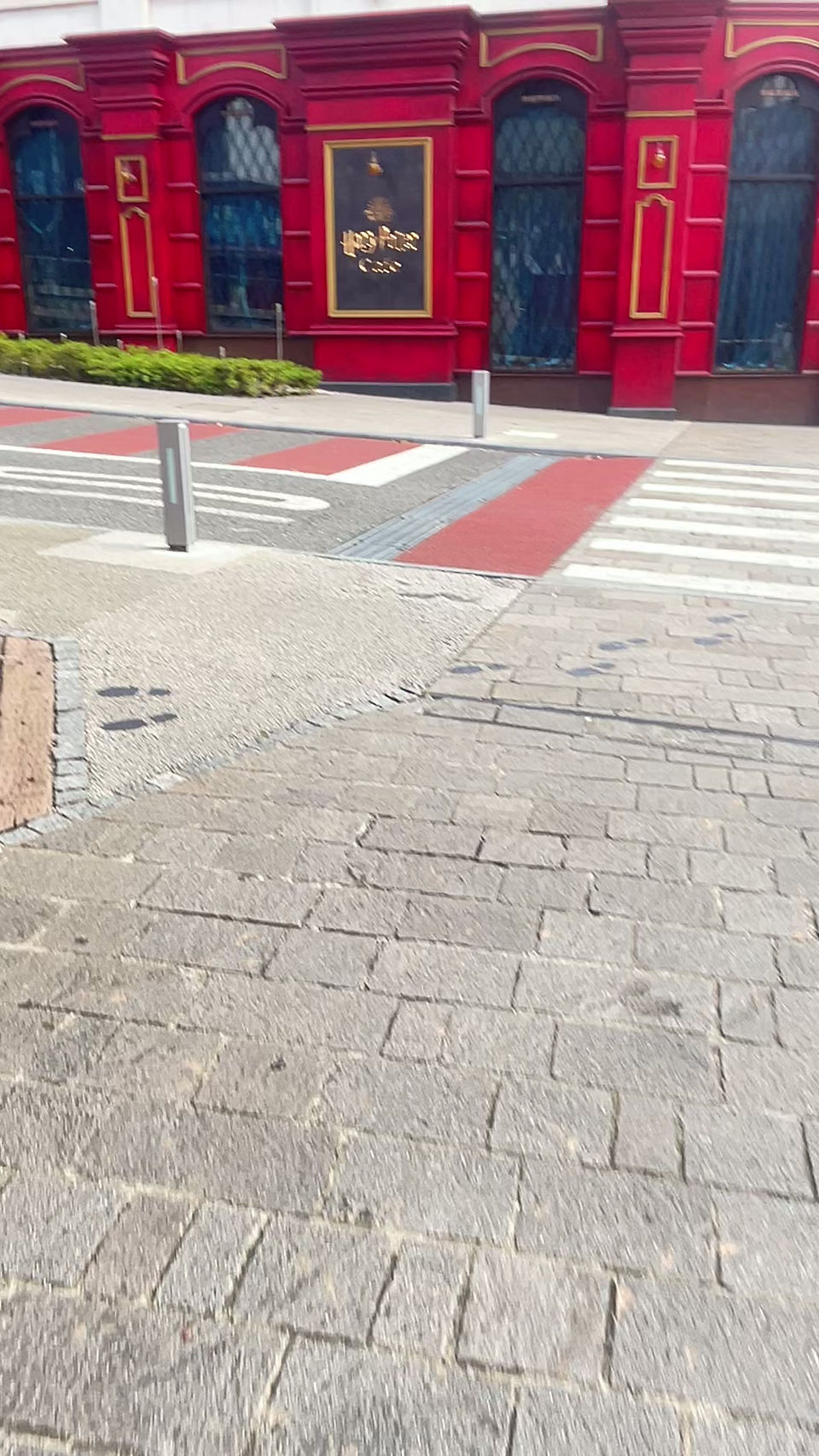

From there, we walked to Akihabara, the famous electronics hub, for some window shopping. We also played "Gacha gacha" — small capsule vending machines where you insert a small amount of money and receive random toys or collectibles. If you’re lucky, you might even get something memorable!


There were countless ramen restaurants around the area, perfect for a good lunch. Later, we headed to Tokyo Station, one of the oldest train stations in Japan, known for its beautiful European-style architecture. We tried Takoyaki, a famous Japanese street food delicacy, before heading to Asakusa.
Honestly, the names of the suburbs can get confusing, but they are equally fascinating — Akasaka to Asakusa! :)
Asakusa is a paradise for anime lovers, shopping enthusiasts, and food explorers. In the evening, we visited the majestic Senso-ji Temple. We also tried the traditional fortune-telling boxes, which was quite a fun experience.
For dinner, we stopped at a cozy little restaurant and enjoyed ramen, gohan (rice), and Japanese omelets before heading back to Hatagaya by metro.
One thing that really stood out was how silent the metros were — a complete contrast to the metros in many other major cities around the world. By the end of the day, we realized we had walked nearly 15 kilometers without even noticing it.
Day 3
We started the day with rain. Putting on our raincoats, we headed to Gotokuji Temple via the metro. The temple is famous for its lucky cat statues, and people buy cats of different sizes to fulfill their prayers and wishes.
Japanese temples surprisingly resemble some Indian traditions — ringing bells, bowing down, and several other similarities in rituals and customs.
After a refreshing start to the day, we traveled on one of Japan’s oldest running metro/tram lines — the Setagaya Line at Sangenjaya, which first opened in 1907. It was a wonderful experience riding this short yet historically significant line.
Later, we headed toward Meiji Jingu Shrine in Shibuya, grabbing some delicious Japanese doughnuts on the way. The shrine was calm, peaceful, and surrounded by lush greenery.
A short walk from there led us to Harajuku, where we spotted several go-karts driving through the main roads. It’s one of the popular tourist attractions where companies take visitors around the city in themed karts.
We had a lovely lunch near Harajuku Takeshita Street and spent time window shopping along the famous street. There were hundreds of crepe shops, along with cat cafés, piglet cafés, and dog cafés where visitors could spend around 1500 yen to sit and play with animals.
Later in the evening, we headed to the world-famous Shibuya Crossing. We crossed it left, right, up, and down — it’s fascinating just watching the movement of people from a distance.
We then bought tickets to Shibuya Sky to experience Tokyo from above. The panoramic view of the city was simply breathtaking. What an incredible city the people of Japan have created.
After a few more evening walks around Shibuya, we headed back to our Airbnb.
Day 4
The previous day, we had booked tickets for TeamLab Planets Tokyo — an incredible experience where science and art come together beautifully. It was a metro-plus-bus ride from our Airbnb, and we ended up spending almost the entire day there.
By evening, we returned to Shibuya and then took the metro to Shinjuku Station, one of the world’s largest and most complex railway stations, with over 200 entry and exit points. The station itself felt like a city — huge multi-story malls, luxury outlets, endless shopping areas, and massive food courts.
Before returning, we picked up breakfast supplies for the next day — rice balls (Onigiri), bread, fruits, and of course, some beer — and headed back to our Airbnb in Hatagaya.
Day 5
The previous day, we had researched courier services for sending our luggage to our subsequent destination — Odawara — so that we could travel lighter on the train in our immediate destination "Nikko".
In the morning, we headed to a Family Mart convenience store - "Kombini" and used the Yamato Transport courier service. We prepaid and sent our luggage directly to our Airbnb in Nikko, our next Destination.
With the logistics taken care of, we once again headed to Shinjuku to experience one of Tokyo’s busiest and most happening areas.
Our first stop was Shinjuku Omoide Yokocho, famously nicknamed “Pissing Alley.” Yes, decades ago it actually was one! Today, however, it has transformed into a lively network of tiny streets packed with small restaurants serving authentic Japanese food and drinks.
We enjoyed some satay, traditional pork dishes, and I grabbed a beer to refresh myself and feel a little more like a local.
After spending a lovely evening walking around the vibrant streets of Shinjuku, we returned to Hatagaya for the night.
Day 6
We checked out of our Airbnb early in the morning around 5 AM. From Shibuya Station, we traveled toward Nikko, changing trains at Asakusa Station to switch to the suburban railway network operated by a different agency.
Tokyo’s railway system is incredibly vast, with multiple companies operating metros, suburban lines, express trains, and of course, the famous Shinkansen bullet trains. Our journey from Tokyo to Nikko, however, was on an express train and not a Shinkansen.
We reached Nikko late at night, Unfortunately, buses were no longer operating at that hour to reach our accommodation. After coordinating with our Airbnb host, a kind local shop owner helped us by dropping us at the Airbnb location.
Nikko immediately felt different from Tokyo — a beautiful, peaceful town with fewer people, scenic surroundings, greenery everywhere, and a calm atmosphere that contrasted sharply with Tokyo’s fast-paced city life.
Our Airbnb was warm and comfortable with a heater, which was much needed because Nikko was noticeably colder than Tokyo.
Since we had already eaten dinner on the train, we simply relaxed and went straight to bed after the long journey.
Day 7
The next morning, after grabbing a quick breakfast from a nearby kombini (Japanese convenience store), we headed to Lake Chuzenji.
We took a ride on a medium-sized sightseeing boat that cruised around the lake while explaining the uniqueness and history of the area. Surrounded by mountains and peaceful scenery, the experience felt incredibly calming.
After the lake tour, we headed for a short trek to Ryuzu Falls, one of the most beautiful waterfalls in Nikko. There were a couple of restaurant options near the falls where we stopped for a good lunch.
Post lunch, we began another trek along the beautiful Senjogahara–Kotoku Trail. The trail had clear markings, peaceful walking paths, flowing rivers, the stunning Yudaki Waterfall, and breathtaking green-and-brown landscapes. It truly felt like one of the closest experiences to untouched and unspoiled nature.
We spent the entire walk talking about random things and simply enjoying the peaceful surroundings.
Along the trail, we encountered a group of middle school students who had come for the hike. Almost every one of them greeted us with a cheerful “Konnichiwa” — hello in Nihongo (Japanese). Small moments like these made the journey even more memorable.
The entire region is part of a carefully preserved World Heritage area known for its rare and unique landscape.
Later that evening, we returned by bus and took a short walk back to our Nikko Airbnb. After relaxing in the common area and chatting with a few fellow travelers, we headed to bed.
Day 8
In the morning, we checked out of our Airbnb and walked around 1.5 km to Nikko Station.
From there, we took a bus to visit the famous Kegon Falls. Although there is a trekking route deep inside the forest, we chose to take the Akechidaira Ropeway to enjoy the scenic views from above before reaching the falls.
Later, we visited one of the most beautiful temple complexes in Nikko — Rinnoji Taiyuin Temple. There, I got myself a traditional hand ribbon based on my birthday and calendar sign.
We also visited the iconic Futarasan Shinkyo Bridge before heading toward Tobu Nikko Railway Station.
From there, we boarded the Spacia X Express Train to Odawara — once again, not a Shinkansen bullet train, but still a wonderful rail experience.
Before boarding, we picked up a Bento Box lunch from the station — including one of the self-heating bento meals, which turned out to be a really fun and delicious experience during the train ride out of Nikko.
By night, we arrived at Odawara Station. After another short connecting train ride, we finally reached Hakone, where we would stay for the next few days.
And — tada! — our luggage had already arrived safely at the Airbnb before us.
This Airbnb was amazing — a beautiful independent Japanese-style home with a tatami seating area, a cozy hall, kitchen, and bedroom, all just a two-minute walk from Hakone Station.
After a light dinner, played some UNO card games & we called it a night and rested for the adventures ahead.
Day 9
With fresh energy, we boarded a bus from Hakone to Lake Ashinoko, also known as Lake Ashi. People were peacefully fishing around the lake, and the entire area had a calm and relaxing atmosphere.
We bought tickets for a sightseeing tour and boarded the Queen Ashinoko cruise, hopping off at one of the scenic stops along the lake. From there, we took the Togendai Ropeway to reach the Hakone volcanic area.
We could see the massive research facilities around the active volcanic zone. The strong smell of sulphur filled the air as we explored the area. Of course, we couldn’t miss trying the famous black eggs cooked in the hot springs — according to local belief, eating one egg adds seven years to your life! :)
While coming back down, we rode the historic Hakone Tozan Cable Car, a service that has been operating since 1921. It was amazing to experience a 100-year-old transport system still running so smoothly.
Later in the evening, after a short bus ride, we visited Odawara Castle. We enjoyed the panoramic view of Odawara city from the top of the castle and spent some time walking around the historic surroundings.
We also explored the local Kanagawa market area, checked out some unique food trucks, and eventually walked back to our Airbnb, calling it a day.
Day 10
Today, we started early at 6 AM and reached Odawara Station to witness the empty early-morning trains.
We boarded a train toward Mt. Fuji and got down at the Gotemba bus stop. From there, it was another couple of hours by bus before finally reaching the Mt. Fuji region — or Fuji-san (“Mr. Fuji”), as the Japanese respectfully call it.
Along the way, we passed the beautiful Yamanakako Lake area near Kawaguchiko before finally reaching Fujikawaguchiko.
We spent a wonderful amount of time near the lake, enjoying ice creams and soaking in the spectacular views of Mt. Fuji. We also spent time at Oishi Park, which offered some of the most scenic views of the mountain reflected against the lake.
For lunch, we surprisingly found an Indian restaurant where we enjoyed roti, naan, and curry.
Later, a quick ride on the Kawaguchiko Ropeway took us to a higher viewing point for another breathtaking angle of Mt. Fuji.
That night, we returned to Odawara by bus. One funny and memorable thing we noticed on the journey — even fruit juice had its own vending machine in Japan! :)
Day 11
The previous day, we had finally booked tickets for the Shinkansen — the famous Japanese bullet train.
Early in the morning, we checked out of our Airbnb and reached Odawara Station with all our luggage. Traveling at nearly 350 km/h on the Shinkansen had always been on our bucket list.
By noon, we arrived in Kyoto, the ancient capital of Japan.
We stored our heavy luggage in station lockers and instantly felt lighter and freer to explore the city.
Kyoto felt very different from Tokyo — more traditional, slower, and relaxed. Even small things were different: on escalators, people stood on the left instead of the right as in Tokyo; buses had conductors; bicycles were larger; and transportation systems felt more laid-back.
We walked through several beautiful suburbs before reaching O-Inari-san, better known as Fushimi Inari Taisha Shrine.
It was one of the most photogenic places we had ever seen — endless rows of red torii gates stretching through the hills, with tourists slowly walking through the pathways. Kyoto is home to hundreds of shrines, but this one truly stood out.
We also visited a few other temples, including the ancient Tofuku-ji Temple.
After a quick lunch, we headed to the Kyoto Railway Museum. It was fascinating to see the evolution of Japanese trains, historical locomotives, railway systems, and train interiors that visitors could actually step inside and experience.
We spent nearly 2–3 hours in the museum before checking into another self check-in Airbnb in Kyoto.
That night, we stood patiently in a queue to enter a traditional ramen restaurant where we enjoyed a fantastic dinner of gohan (rice), omelets, fish, and chicken to end the day perfectly.
Day 12
Our Airbnb was located in Shimogyo-ku, a quiet and peaceful suburb of Kyoto.
After preparing breakfast ourselves at the Airbnb, we started the day by visiting Kinkaku-ji, the famous Golden Pavilion, which looks stunning in every season.
From there, we walked toward Arashiyama, one of Kyoto’s most historic and scenic tourist areas.
We visited several temples, including Jojakko-ji Temple, before finally walking through the world-famous Bamboo Forest. The towering bamboo pathways created a surreal atmosphere.
Later, we boarded the Sagano Romantic Train, which offered beautiful views of rivers, mountains, and valleys across the countryside.
The train eventually reached Kameoka Torokko Station, surrounded by vast rice fields stretching across hectares of land — another breathtaking side of Kyoto.
We also visited a Kyoto Diorama exhibition, showcasing intricate Japanese miniature art and city models.
In the evening, we enjoyed some traditional Japanese matcha tea before walking past Ginkaku-ji Shrine and eventually reaching Yasaka Shrine.
An evening stroll through the world-famous Ninenzaka Street was unforgettable. The area was packed with tourists, but we still managed to capture some beautiful photographs.
We also visited Kiyomizu-dera Temple, located on a hilltop offering panoramic views of Kyoto city.
Nearby was the Ryozen Kannon Temple, where we spent some time learning about its history before heading toward Nishiki Market for window shopping and souvenirs.
The market was filled with endless varieties of seafood, unique colors, smells, tastes, and energy — a sensory overload in the best possible way.
After an exhausting day full of walking, shopping, and temple visits — along with listening to some traditional temple music — we finally returned to our Airbnb to rest before our next adventure in Nara.
Day 13
We reached Nara early in the morning by bus and immediately saw deer roaming freely around parks, roads, and footpaths.
Before visiting the temples, we spent some time feeding the deer — one of the most memorable experiences in Nara.
We then visited Kofuku-ji Temple followed by the Great Buddha Hall at Todai-ji Temple, one of Japan’s most historic and iconic temples.
Interestingly, the Indian government has installed an Ashoka Pillar at the temple premises, symbolizing the deep historical and cultural connections between India and Japan.
After a short uphill walk, we reached Wakakusayama Hill, which offered breathtaking views of Nara city.
Later, we relaxed inside Nara Deer Park, simply sitting among the deer and enjoying the peaceful atmosphere. We even spent time “talking” to the deer like they were part of the group.
After a traditional lunch near the park, we headed back to Kyoto and our Airbnb to get some proper rest before continuing onward to Osaka — the energetic southern capital of Japan.
Day 14
In the morning, we boarded a train from Kyoto to Osaka after checking out of our stay.
The trains in Osaka immediately felt more colorful and energetic.
We had breakfast at the underground food streets near Osaka Station, where there were endless dining options.
Our first stop was the Umeda Sky Building, where we enjoyed panoramic views of Osaka from the top. Interestingly, the building also featured inscriptions from the Rig Veda, which felt like a proud moment for us.
Later, we headed toward Dotonbori for food, shopping, entertainment, and endless city energy. We walked around Namba Street to experience the vibrant and quirky side of Osaka.
We then took a river cruise along the Tombori River, where the guide explained important landmarks across downtown Osaka.
That evening, we relaxed by the riverside and later boarded another Dotonbori cruise to enjoy the night view of Osaka glowing with neon lights.
Sitting by the Tenmabashi riverfront at the end of the evening, we truly felt accomplished and grateful for the journey so far.
Day 15
Our Airbnb was located in the southern part of Osaka, with all major stations reachable within a 10-minute walk.
The previous day, we had booked tickets to Universal Studios Japan, so we started very early at around 5:30 AM and reached the studio by 6:30 AM — only to discover massive crowds already waiting before us!
We spent the entire day enjoying rides, attractions, and different themed experiences inside the park.
My son especially loved the rides, although with the long waiting times, most visitors could only manage around 6–8 rides in a full day.
By night, we returned to our Airbnb completely exhausted and crashed into bed after an exciting day.
Day 16
In the morning, I went for a jog around Fukushima-ku near our Airbnb and got to experience Osaka from a completely different perspective — peaceful rivers, morning traffic, and the quiet side of the city before it fully woke up.
We had a relaxed start to the day and slowly made our way to Osaka Castle just to catch a glimpse of the historic landmark.
Later, we headed toward shopping areas around Toho and Shinsaibashi for some final shopping before returning home.
We bought headphones, gadgets, RC cars, anime merchandise for my son, and I finally got myself a pair of Onitsuka Tigers.
In the evening, we enjoyed a lovely dinner around Fukushima.
One unforgettable moment was when a local person paid for my drinks — such a warm and kind gesture toward tourists that truly reflected Japanese hospitality.
That night, we slept deeply at our Airbnb, reflecting on the incredible 15-day journey we had experienced across Japan.
Day 17
We headed to the airport for our domestic flight from Osaka to Tokyo Narita Airport.
Even until the very last moment, Japan continued to surprise us — including a robotic police patrol at the airport!
After a good lunch at the airport lounge, we boarded our flight back to our very own Bengaluru T2 Terminal.
To our surprise, we had walked nearly 183 kilometers in just 16 days.
From beautifully designed underground manhole covers to the disciplined way people carry back their own plastics for disposal, from technological advancement to humility and pride in their culture — Japan truly felt like one of the most unique places on Earth.
There is still so much left for us to explore — the northern islands, Hiroshima, and western Japan are definitely on the list for the next trip.
Arigato Gozaimasu, Nihon — until next time.


Comments